You’re probably charging too little for your creative work.
Landing your dream client is exciting. Finding out you've been undercharging them? Not quite as exciting.
Imagine getting an email from a brand you've dreamed of working with.
Nike. Disney. Apple. Whatever company makes your creative brain light up.
They love your work. They want to collaborate. And they're asking the question every freelancer both loves and dreads.
What's your rate?
Suddenly, all that confidence you've spent years building disappears.
You start doing mental gymnastics.
What's their budget? What if I ask for too much? What if they find someone cheaper? Should I lower my price because having their name in my portfolio would be incredible?
And before you know it, you've sent over a quote that's probably significantly lower than what you originally had in mind.
But hey, at least you got the gig.
Right?
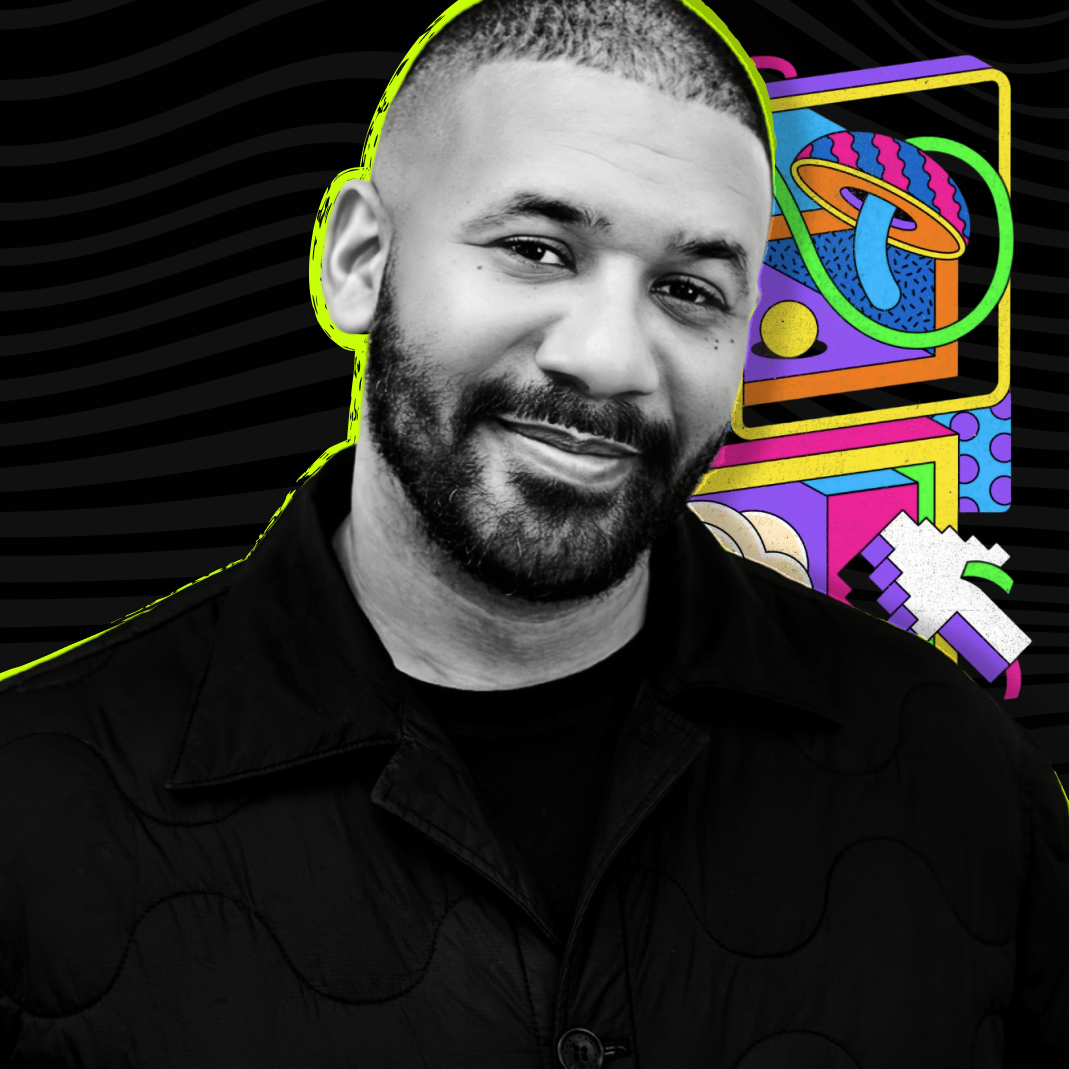
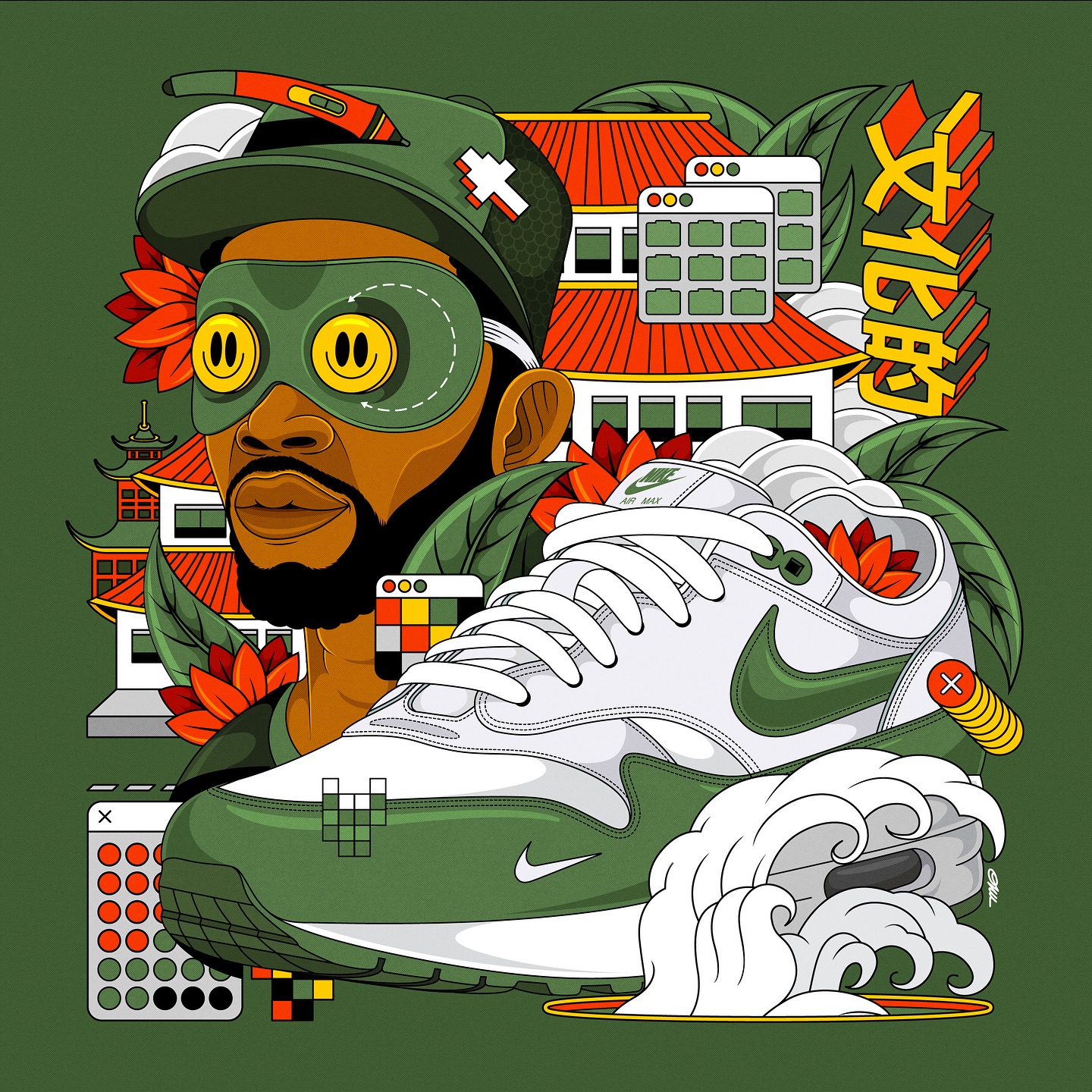
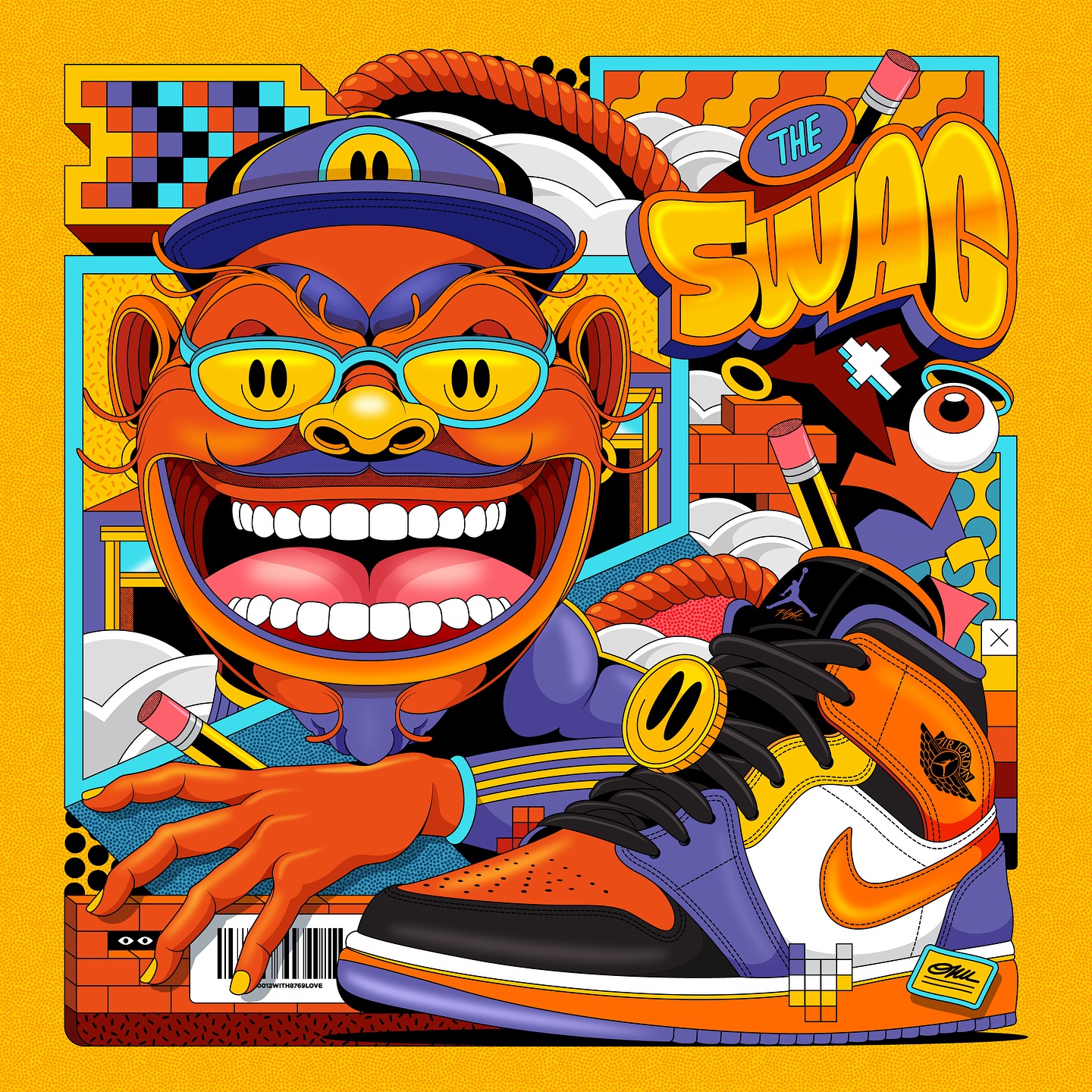
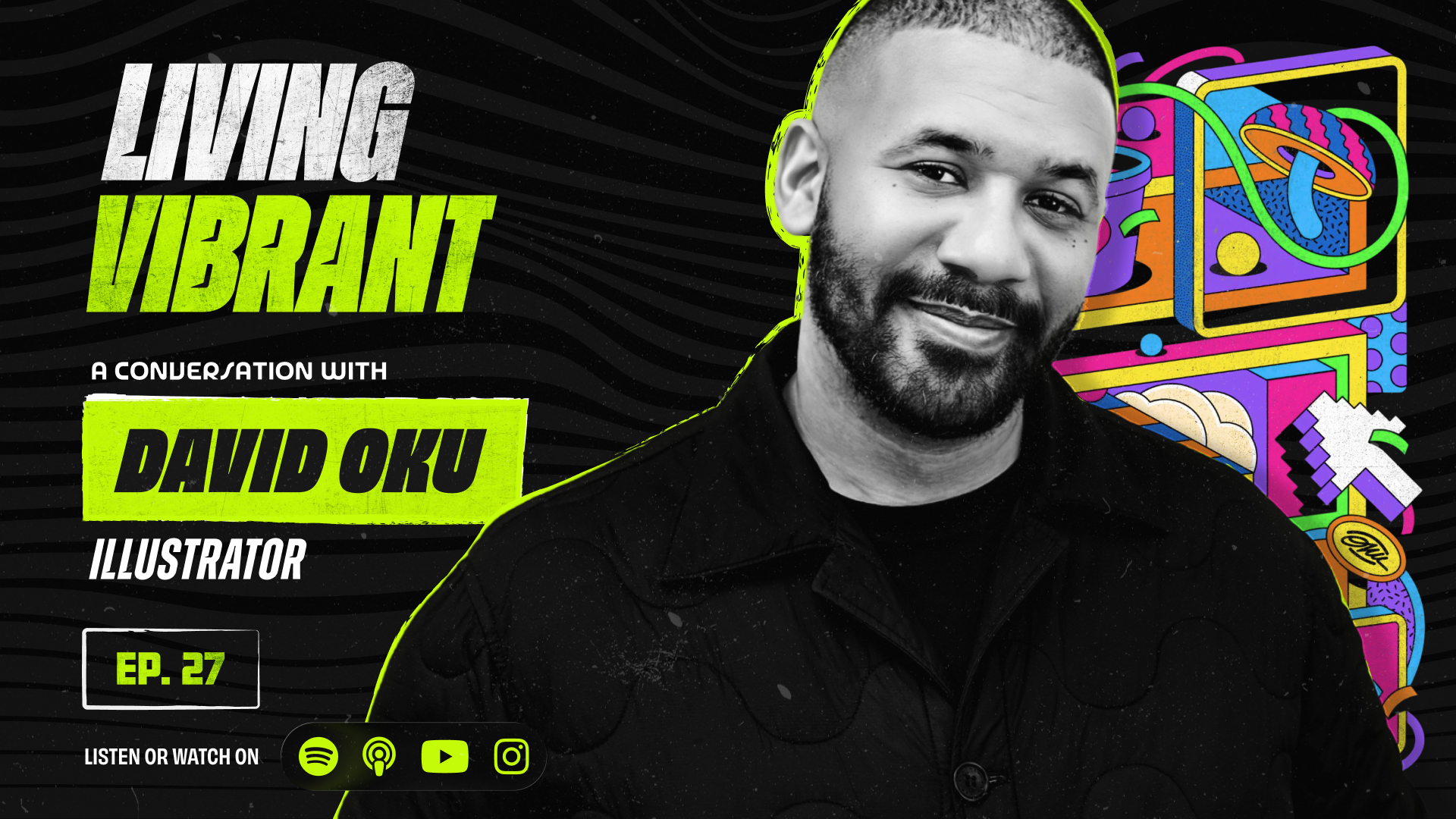
During a recent episode of the Cosmic Sans Podcast, I sat down with illustrator and artist David Oku, whose incredibly vibrant work has attracted clients including Nike, Pepsi, and Adobe.
We talked about his creative journey, developing his style, and the challenges he faced breaking into the industry.
But one part of our conversation really stuck with me.
Despite already working with major brands, David didn't fully understand the value of his own work until someone else helped him see it.
And I suspect he's far from alone.
Being a Great Designer Doesn't Make You a Great Businessperson
David's career didn't begin with major brands knocking on his door.
He spent years developing his distinctive illustration style, experimenting with different techniques, and consistently sharing his artwork online.
Those efforts eventually led to a relationship with a gym that collaborated with brands like Reebok, Under Armour, and Nike.
One opportunity led to another.
His reputation grew. People started recommending him. Bigger projects followed.
It was the kind of momentum most independent creatives dream about.
But while David was becoming increasingly successful as an artist, there was something he hadn't quite figured out.
How much should he actually be charging?
As he explained during our conversation:
"I was just charging based on what I think was enough."
That sentence says so much about the challenges creatives face.
Because what feels like enough money isn't necessarily what a project is worth.
And being incredibly talented at your craft doesn't automatically mean you understand licensing agreements, royalties, usage rights, or the art of negotiation.
Those are entirely different skills.
Skills that, unfortunately, many of us end up learning the hard way.
The Dream Client Problem
Here's something I find fascinating about creative work.
Sometimes, the bigger the client, the more tempted we are to undervalue ourselves.
It sounds ridiculous, doesn't it?
A major company with a substantial marketing budget reaches out, and our immediate instinct is to make ourselves as affordable as possible.
But I understand why it happens.
There's an emotional component to working with a recognizable brand.
You start thinking about how incredible the project will look in your portfolio. How many people might see it. Whether it could lead to even bigger opportunities.
And suddenly, you're negotiating against yourself.
You might even convince yourself that the exposure is worth accepting a lower rate.
Now, I'm not suggesting that every project needs to pay an enormous amount of money.
There are perfectly valid reasons to accept a smaller budget, particularly for personal projects, charitable causes, or opportunities you genuinely believe in.
But those should be conscious decisions.
There's a big difference between choosing to work for less and doing it because you're afraid to ask for more.
And when you're dealing with a company you've admired for years, that distinction can become surprisingly blurry.
Your Work Is Worth More Than the Time It Takes to Create
One of the biggest misconceptions about creative pricing is that the amount you charge should directly reflect how long something takes to produce.
Spend five hours creating an illustration? Charge for five hours.
Simple enough.
Except that's not really how creative value works.
Imagine designing an illustration for a small local business.
Now imagine creating that exact same illustration for a global campaign that will appear on billboards, merchandise, advertisements, and across social media.
The creative effort might be identical.
But the commercial value of those two projects could be dramatically different.
That's where things like licensing, usage rights, exclusivity, and royalties come into play.
And it's precisely the kind of knowledge David began developing when he started working with an agent.
An illustration isn't necessarily worth only what it costs to produce.
There may also be value in how, where, and for how long a client intends to use it.
That's an important distinction, especially for artists who license their work.
Because if you're only charging for the hours you've spent designing, you might be overlooking a significant part of the equation.
The Conversation That Changed Everything
During our interview, David explained how working with an agent transformed his understanding of the creative business.
For the first time, he was learning how to navigate licensing arrangements, negotiate royalties, and protect his interests when working with larger companies.
He began recognizing that his previous approach to pricing had been leaving money on the table.
And perhaps just as importantly, he became more confident discussing the business side of his work.
I found that particularly interesting.
Because confidence isn't always about believing you're an incredible designer.
Sometimes it's simply knowing what you're talking about when someone asks how much your work costs.
And that confidence can change the entire dynamic of a conversation.
Instead of nervously hoping a client accepts your price, you can explain what they're paying for.
The creative concept.
The expertise required to execute it.
The revisions.
The usage rights.
And the value your work brings to their project.
You're no longer just throwing out a number and hoping for the best.
You're having an informed business conversation.
Should Every Creative Have an Agent?
During our conversation, I mentioned how valuable representation can be when negotiating with major brands.
And I still believe that.
Having someone who understands contracts, licensing, and the business side of the industry can be enormously beneficial.
An experienced agent may also help you identify opportunities you wouldn't have discovered on your own.
But that doesn't necessarily mean every designer needs one.
Agents typically work on commission, and representation isn't equally suitable for every discipline or stage of a creative career.
For some artists, finding the right agent could be transformative.
For others, learning to negotiate independently, consulting a lawyer when appropriate, or developing stronger business skills might make more sense.
The important takeaway from David's experience isn't that everyone should rush out and find representation.
It's that you shouldn't have to guess your way through the business side of your career.
Whether that education comes from an agent, a mentor, another freelancer, or your own research, understanding how the industry works can make a substantial difference.
And the sooner you start learning, the better.

Stop Being Afraid to Talk About Money
There's something slightly uncomfortable about discussing money in creative communities.
We'll happily spend hours debating typography, color theory, composition, and whether a logo needs another half-pixel of adjustment.
But ask someone how much they charged for their latest project?
Suddenly, things get awkward.
And I think that reluctance can work against us.
When creative professionals aren't comfortable sharing knowledge about pricing and contracts, less experienced designers are left trying to figure everything out themselves.
How much should an illustration cost?
Should you charge extra for commercial usage?
What happens if a client wants to use your work indefinitely?
Who owns the final artwork?
What should you do when the scope of a project changes halfway through?
These aren't questions that somehow become less important because you're passionate about your work.
They're fundamental parts of running a creative business.
And while there isn't one universal answer to any of them, having more open conversations could help artists avoid some expensive mistakes.
Imagine how much easier the early stages of freelancing might be if we spent as much time teaching designers how to negotiate as we do teaching them how to use the Pen tool.
Know Your Worth. But Understand What That Means.
There's a phrase that gets thrown around constantly in creative communities.
Know your worth.
It's good advice.
But it's also a little vague.
Knowing your worth doesn't mean inventing an enormous number and expecting every client to pay it.
It means understanding your skills, experience, costs, and the value you're providing.
It means recognizing that different projects have different requirements and commercial uses.
It means being willing to ask questions before agreeing to a budget.
And sometimes, it means having the confidence to walk away from an opportunity that simply doesn't make sense.
That's easier said than done, especially when you're starting out or relying on freelance income to pay your bills.
But it's something worth working toward.
Because the more you understand the business behind your creativity, the better equipped you become to build a career that's both creatively rewarding and financially sustainable.
David's story is a wonderful reminder of that.
He spent years developing his craft, finding his voice, and building relationships that eventually led to opportunities with some of the world's most recognizable brands.
But another important part of his growth happened when he started understanding the value of the work he was already producing.
The talent was there.
The dedication was there.
He simply needed a better understanding of the business surrounding it.
And I think a lot of creatives could benefit from asking themselves the same question.
Am I charging what my work is worth, or am I charging what I'm comfortable asking for?
Because those two numbers might be very different.
From the page to the podcast
Keep the conversation going
This article was inspired by my conversation with David Oku on the Cosmic Sans Podcast.
We explored his journey from growing up with a passion for drawing to collaborating with major international brands, the challenges he encountered along the way, and how representation helped him better understand the business of creative work.
Listen to the full episode for David's perspective on finding opportunities, developing confidence, and building a sustainable creative career.
Watch the conversation on YouTube ↗
Now I'm curious: Have you ever accepted a creative project only to realize afterward that you should have charged more?
David Oku · 1:04:29