
Behind the podcast
What I’ve Learned Hosting a Design Podcast
I knew how to record a Photoshop tutorial. Hosting Cosmic Sans taught me when to mute my mic, what makes a clip worth sharing, and how to let a guest lead.
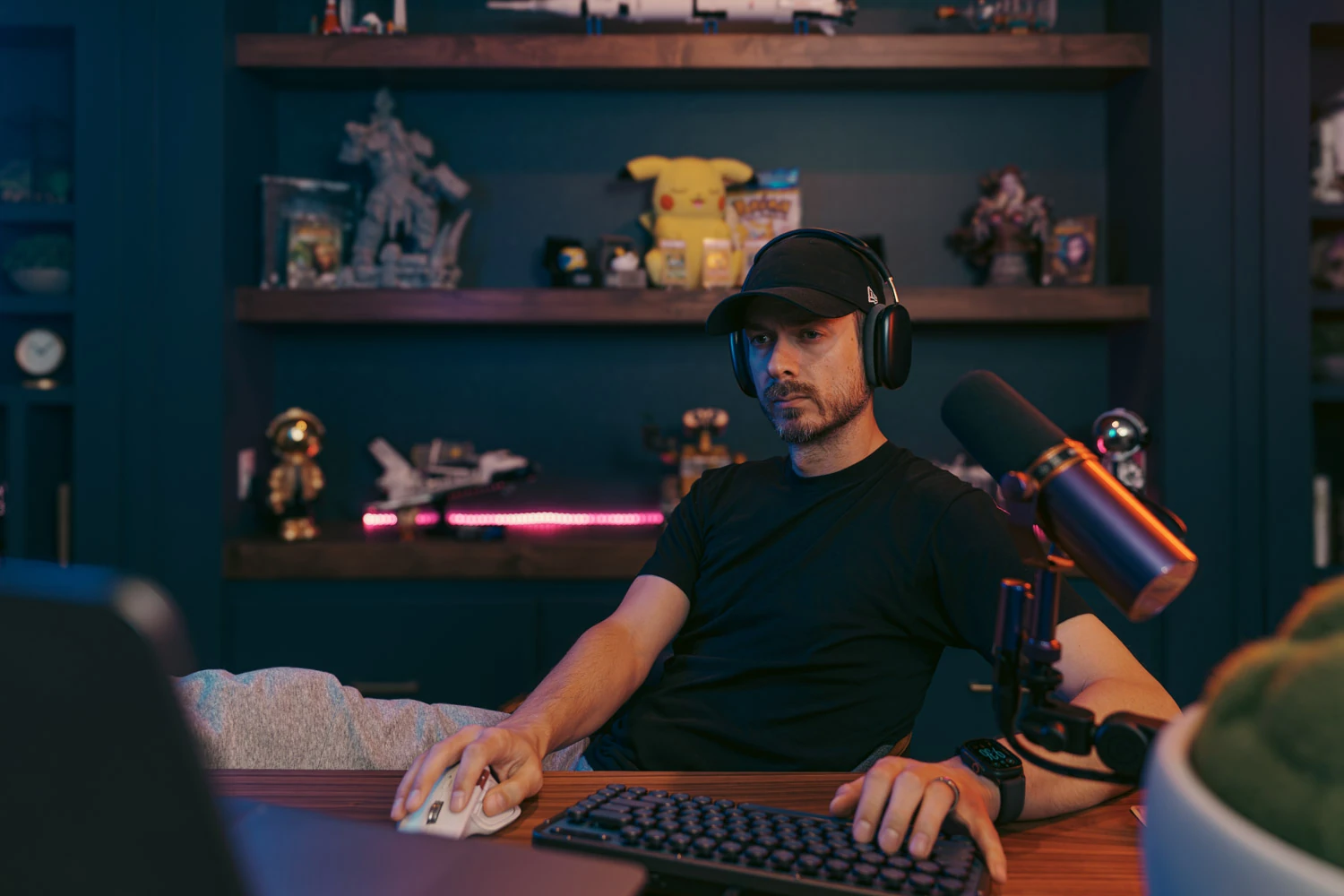
I’ve spent the better part of 20 years making tutorials. Usually, by the time I hit record, I know exactly what’s going to happen. I know which menu I’m opening. I know what the image will look like at the end. Then I started the Cosmic Sans Podcast and gave somebody else a microphone.
Podcasting felt different right away. Slower. More human. Less optimized. I expected to learn a few things about interviewing. I didn’t expect the show to change how I see my own work.
The best interview skill is knowing when to shut up
Here’s a small thing that made me a better host. I ask a question, then I mute myself. Literally.
It’s tempting to jump in when a guest says something interesting. I’ll have a follow-up, a similar story, or a question I’m certain I’ll forget in eight seconds. Now I write down a couple of words and let them finish. Often they circle back to the very thing I wanted to ask about. Sometimes the next thing they say is better than anything in my notes.
The funny part is how much prep it takes for me to feel comfortable throwing the plan away. I expected booking guests to be the hard part. People have been surprisingly happy to spend an hour talking about their work. The time goes into what happens before the call. What have they made? What do they care about? What am I genuinely curious to hear them talk through? Those are questions worth bringing. I don’t have to get to all of them.
An hour is a lot to ask of a stranger
I went into this thinking the full episode was the product. Then I had to figure out how to get someone scrolling Instagram to spend an hour with a person they’d never heard of.
Take Kyle Lambert’s iPad portrait of Morgan Freeman. The time-lapse is a great reason to stop scrolling. What you can’t see in it is Kyle pinching and zooming into tiny areas, checking the reference, making one spot a little darker. He worked that way for two months. That’s the part I wanted to leave room for in the clip. You can see the likeness for yourself. You need Kyle to tell you what went into it.
Looking for those moments has made me more intentional about the questions I ask. And the irony is that the better the full conversation, the easier it is to find a clip worth sharing.
The original logo was… fine
I still like parts of it. I just couldn’t picture using it for years. Once I started thinking about how it would look on an episode thumbnail, as a tiny Instagram avatar, or potentially on merch, I wanted another pass at it. Occupational hazard.
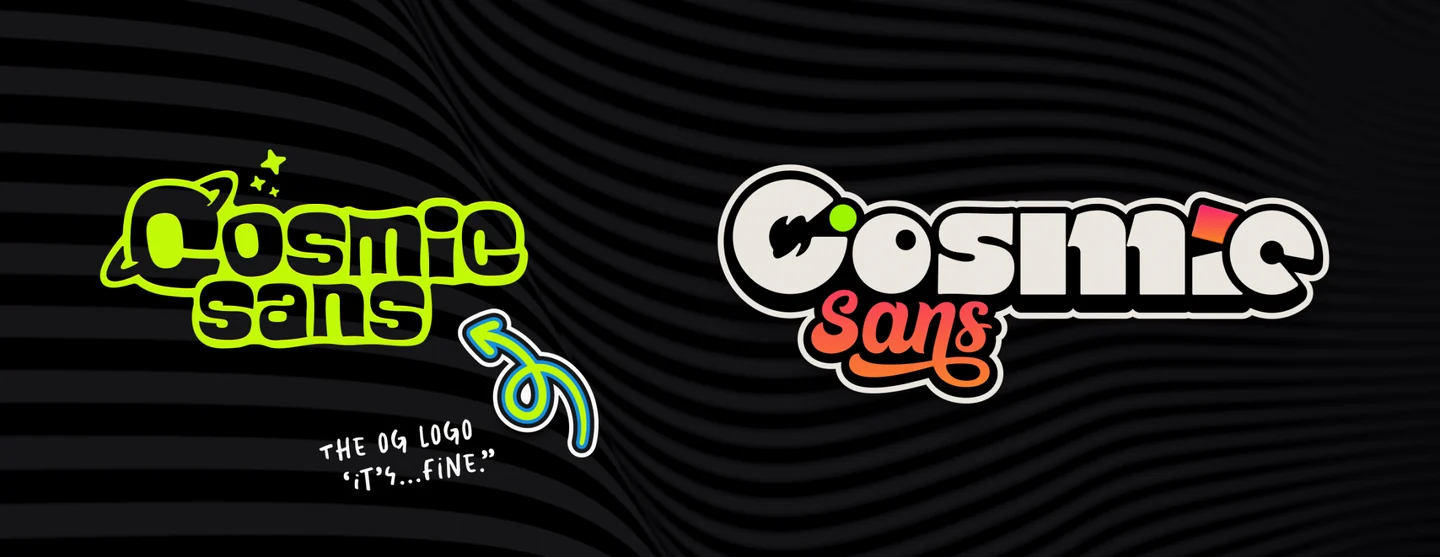
I’m glad I let the first version out into the world. Actually using the thing gave me a much better brief for the redesign. I can see myself sticking with this one for a while. With a few tweaks along the way, obviously.
I’m glad the show got its own account
I almost put everything on my personal Instagram. Starting from zero sounded like an odd reward for having already built an audience. Would anyone bother following another handle?
Turns out, yes. Someone following me for Photoshop tips knows what they’re getting. Someone following Cosmic Sans can expect a conversation with a designer or artist. Giving the show its own space also gave me room to try a different edit or a different kind of post without wondering how it fit between two tutorials.
One thing I’d do earlier is ask people to participate. Reminding someone to follow or share helps, but there’s a better question I can ask while I’m prepping an interview. What would you ask this guest? That gives someone a reason to reply, and it gives me a question I might never have thought of.
I’m still the Adobe guy. There’s just more to it now.
For a long time, a lot of people knew me as “the Adobe guy.” Fair enough. I still love a good Photoshop trick. What I like about hosting is that I get to be useful in a slightly different way.
One example is our Story on hourly rates and project fees. Seven creatives talked about pricing on the show. Putting their answers side by side meant a designer working on a quote could hear how several people handle the same decision. My contribution there was listening for the question that kept coming up and bringing those people into the same piece.
Every so often I get a DM from someone who heard a guest and felt inspired to make something, or even to start a podcast of their own. Those messages stick with me. After years of showing people where to click, it feels pretty good to introduce them to someone worth listening to.